
Direct Injection Turbo-Petrol vs Strong Hybrids: The Thermodynamic Efficiency Race
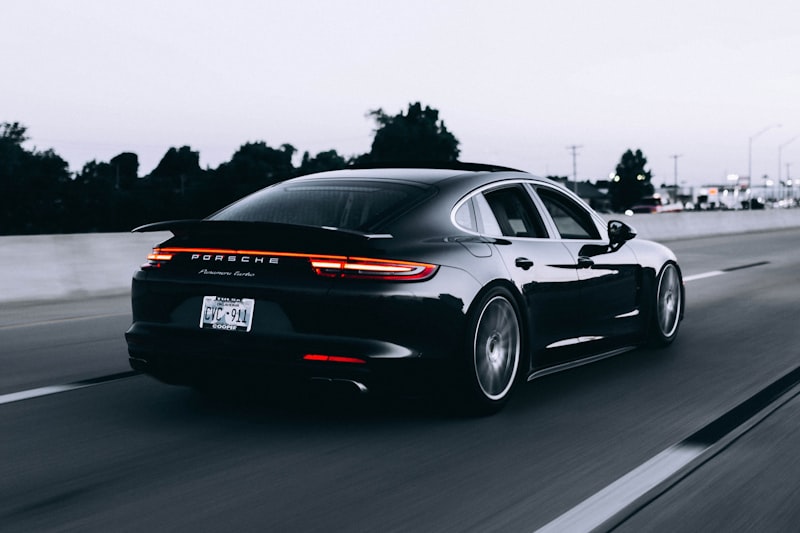
Why Japanese hybrid e-CVTs achieve 28 kmpl while European and Indian turbo-GDi units deliver blistering 250 Nm low-end overtaking punch.
The ongoing debate between strong hybrid electric vehicles (SHEVs) and high-pressure gasoline direct injection (GDi) turbocharged petrol engines has reached a fever pitch in India's mid-size SUV and sedan segments.
Japanese manufacturers including Toyota and Maruti Suzuki have bet heavily on Atkinson-cycle engines paired with electric motor-generators and electronic continuously variable transmissions (e-CVT). In congested urban traffic in Hyderabad, Vijayawada, and Visakhapatnam, strong hybrids operate in silent electric-only (EV) mode for up to 60% of city commutes, regularly achieving real-world fuel economy figures of 24 to 28 kmpl.
Grow Your Business with Janatha Mirror
Reach 50,000+ daily readers across Andhra & Telangana
Conversely, European and Indian manufacturers continue to champion turbocharged direct-injection petrol engines (TGDi and TSI). Operating at direct injection fuel pressures up to 350 bar, these powertrains deliver robust low-end torque—often exceeding 250 Nm from as low as 1,500 rpm—providing effortless highway overtaking performance and spirited driving engagement.
For daily office commuters navigating heavy city bumper-to-bumper crawls, strong hybrids deliver unmatched running cost savings. However, for highway enthusiasts who love quick acceleration and rapid expressway passing manoeuvres, turbo-petrol engines remain the definitive choice.
Grow Your Business with Janatha Mirror
Reach 50,000+ daily readers across Andhra & Telangana
💬 Reader Opinions & Discussion0
Login Required to Share Your Opinion
Only verified and logged-in readers can post opinions on Janatha Mirror news stories.