
Chronic Stress and Stroke Risk: How Prolonged Stress Affects Brain and Heart Health
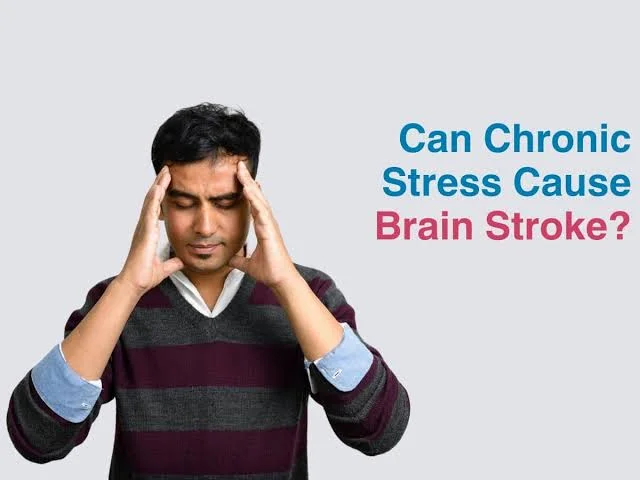
Chronic stress is becoming increasingly common due to work pressure, financial problems, and personal responsibilities. When stress continues for a long time, it may affect both brain and heart health.
How Does Chronic Stress Affect Health?
Prolonged stress can affect stress hormones such as cortisol and contribute to high blood pressure, sleep problems, anxiety, and difficulty concentrating.
Grow Your Business with Janatha Mirror
Reach 50,000+ daily readers across Andhra & Telangana
Over time, chronic stress may also increase the risk of heart disease and stroke, particularly when associated with high blood pressure, poor sleep, physical inactivity, and unhealthy habits. However, stress alone does not directly cause every stroke.
How Can You Reduce Stress?
Simple lifestyle changes can help manage stress and support overall health:
Exercise regularly.
Grow Your Business with Janatha Mirror
Reach 50,000+ daily readers across Andhra & Telangana
Get enough quality sleep.
Follow a balanced diet.
Practise meditation and deep-breathing exercises.
Grow Your Business with Janatha Mirror
Reach 50,000+ daily readers across Andhra & Telangana
Seek professional support if stress persists or affects daily life.
Recognise Stroke Warning Signs
Sudden facial drooping, weakness in an arm or leg, or difficulty speaking may indicate a stroke. Seek emergency medical help immediately if these symptoms occur.
Managing chronic stress through healthy habits and timely medical support can help protect long-term brain and heart health.
💬 Reader Opinions & Discussion0
Login Required to Share Your Opinion
Only verified and logged-in readers can post opinions on Janatha Mirror news stories.