Microplastics and Cellular Damage: How Tiny Plastic Particles Could Pose a Hidden Health Risk
Microplastics, tiny plastic particles measuring less than five millimetres, are attracting renewed scientific attention as researchers investigate their potential effects on human health and the environment. These particles are found in water, food, air and various ecosystems. New research suggests that microplastics may have chemical properties that were previously overlooked, raising questions about how they interact with living cells and biological molecules.
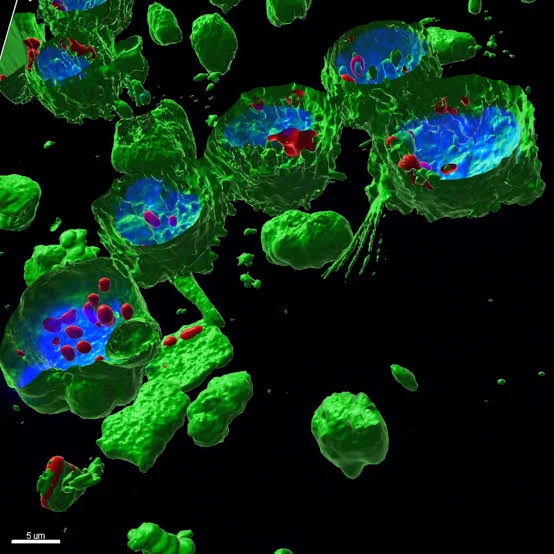
When microplastics come into contact with water, their surfaces can generate reactive oxygen species (ROS), highly reactive molecules capable of interacting with proteins and other biological components. Researchers found that this chemical activity can occur spontaneously at the interface between certain plastic particles and water. As plastic breaks into smaller fragments, its exposed surface area increases, potentially creating more opportunities for these reactions to take place.
Grow Your Business with Janatha Mirror
Reach 50,000+ daily readers across Andhra & Telangana
Reactive oxygen species play important roles in normal biological processes, but excessive amounts can contribute to oxidative stress and damage cellular components. Laboratory experiments in the new research also indicated that microplastic surfaces could promote protein aggregation and affect red blood cells. However, these findings do not prove that the same effects occur in humans under everyday exposure conditions. Further studies are needed to establish the extent of the potential health risks and understand how these chemical reactions behave inside the human body.
The findings highlight the importance of understanding the long-term consequences of plastic pollution. Scientists continue to investigate how microplastics move through the environment, interact with living organisms and potentially affect human health. Reducing unnecessary single-use plastics, disposing of plastic waste responsibly and preventing plastic from entering waterways can help limit environmental contamination. As research continues, a clearer understanding of microplastics and their biological effects will be essential for developing effective strategies to protect both public health and the environment.
Grow Your Business with Janatha Mirror
Reach 50,000+ daily readers across Andhra & Telangana
💬 Reader Opinions & Discussion0
Login Required to Share Your Opinion
Only verified and logged-in readers can post opinions on Janatha Mirror news stories.